
In a world increasingly aware of its environmental footprint, the fashion industry faces mounting pressure to embrace sustainable practices. As someone who has dedicated her life to the art of design, I feel a deep responsibility to champion materials and methods that minimize harm to our planet. Born in Warsaw, where resourcefulness was a way of life, and trained at the Academy of Fine Arts, I’ve always sought beauty in simplicity and sustainability. My journey has led me to a profound appreciation for organic cotton, a fiber that holds immense promise for the future of womenswear.

Why Organic Cotton Matters
Conventional cotton farming, with its heavy reliance on pesticides and water, exacts a steep environmental toll. I remember reading somewhere that it can take up to 20,000 liters of water to produce just one kilogram of conventional cotton. It’s a staggering figure, isn’t it? Organic cotton, on the other hand, is grown without synthetic pesticides, herbicides, or genetically modified organisms (GMOs). This not only protects farmers and ecosystems from harmful chemicals but also reduces water consumption and promotes healthier soil.
Think of it this way: choosing organic cotton is like opting for a nourishing meal over fast food. It’s a conscious decision to prioritize well-being, both for ourselves and for the planet. And frankly, it just feels better.
Beyond Sustainability: Comfort and Durability
The benefits of organic cotton extend beyond its environmental credentials. As a designer, I’m always seeking materials that are not only ethical but also offer superior quality and comfort. Organic cotton excels on both fronts. Because it’s grown without harsh chemicals, it retains its natural softness and breathability. Garments made from organic cotton feel gentler against the skin, making them ideal for everyday wear. And trust me, a comfortable garment is a garment that gets worn again and again!

Moreover, organic cotton is surprisingly durable. The absence of harsh chemicals during processing means that the fibers remain stronger and more resilient, leading to garments that last longer. This longevity, in turn, reduces the need for frequent replacements, further minimizing our environmental impact. It’s a win-win situation, wouldn’t you agree?
The Versatility of Organic Cotton in Womenswear
From flowing dresses to tailored separates, organic cotton lends itself beautifully to a wide range of womenswear styles. Its natural drape and soft texture make it ideal for creating comfortable yet elegant silhouettes. The fabric can be easily dyed using natural or low-impact dyes, allowing for a vibrant palette of colors without compromising its sustainability. And the possibilities are endless. Think of breezy summer dresses, cozy knit sweaters, or even structured blazers – all crafted from the humble, yet remarkable, organic cotton.
Addressing the Challenges
Despite its many advantages, organic cotton still faces certain challenges. Production volumes remain relatively low, accounting for only a small fraction of global cotton production. This limited supply can make it more expensive than conventional cotton, posing a barrier for some consumers and brands. However, as demand for sustainable fashion continues to grow, I am optimistic that organic cotton production will expand, making it more accessible and affordable.

Another challenge lies in ensuring the integrity of organic cotton supply chains. Transparency and traceability are crucial to prevent fraud and ensure that farmers are receiving fair prices for their crops. Certifications such as the Global Organic Textile Standard (GOTS) play a vital role in verifying the authenticity of organic cotton and promoting ethical labor practices. I always recommend looking for these certifications when shopping for organic cotton garments.
Embracing a Sustainable Future
As consumers, we have the power to drive change by supporting brands that prioritize sustainability and ethical sourcing. By choosing organic cotton garments, we can reduce our environmental impact, promote healthier farming practices, and contribute to a more just and equitable fashion industry. It’s a small but significant step that can make a big difference. And honestly, every little bit helps, right?
I believe that organic cotton is not just a trend but a fundamental shift towards a more sustainable and responsible approach to fashion. As designers, we have a responsibility to innovate and create beautiful, high-quality garments that respect both people and the planet. And as consumers, we have a choice to support these efforts and embrace a future where fashion is not only stylish but also sustainable. After all, what could be more chic than that?
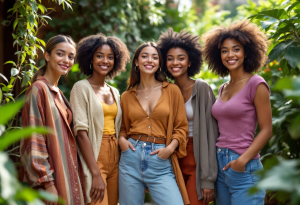
Discover ethically-made, stylish sustainable womenswear. Bozena Jankowska shares her Warsaw-inspired insights on eco-chic fashion that’s both timeless and trendy!

As someone deeply entrenched in the world of fashion, I’ve seen trends come and go, but one thing remains constant: Read more