
Darling, let’s be honest. We all adore a bit of retail therapy. But the constant churn of trends? The piles of clothes we barely glance at after a season? It’s a bit much, isn’t it? Especially when you consider the impact our sartorial choices have on this beautiful planet we call home. But fear not, my fashionable friends! Eco-friendly dressing doesn’t mean sacrificing style; it’s about making smarter, more conscious choices.
The Conscious Closet: Building a Sustainable Wardrobe
Think of your wardrobe as an investment, not a disposable commodity. Before you even *think* about clicking “add to cart,” ask yourself: do I really *need* this? Or am I just succumbing to the allure of the latest influencer campaign? I know, I know, it’s tempting! But trust me, a curated collection of timeless pieces will always outshine a closet overflowing with fleeting trends. Start with the basics: a well-fitting blazer, a classic white shirt, a pair of jeans that make you feel like a million bucks. These are the building blocks of a truly stylish and sustainable wardrobe.
Material Matters: Choosing Eco-Friendly Fabrics

Forget fast fashion fabrics that are here today, polluting landfills tomorrow. Instead, opt for eco-friendly alternatives like organic cotton, linen, hemp, and Tencel. These materials are grown and produced with minimal environmental impact, reducing water consumption and avoiding harmful chemicals. Plus, they often feel divine against the skin! And don’t underestimate the power of vintage and recycled fabrics. Giving new life to pre-loved materials is not only sustainable but also adds a unique, one-of-a-kind touch to your look.
Secondhand Chic: The Thrill of the Vintage Hunt
Oh, the joy of discovering a hidden gem in a vintage store! It’s like a treasure hunt, but with fabulous clothes as the prize. Not only is secondhand shopping incredibly sustainable – reducing waste and giving clothes a second life – it’s also a fantastic way to express your individuality. Who wants to look like everyone else anyway? Embrace the quirks and imperfections of vintage pieces; they tell a story, a history, a unique narrative that no mass-produced garment can ever replicate.
Ethical Brands: Supporting Sustainable Practices
Doing a little research before you buy can make a world of difference. Look for brands that prioritize ethical production, fair labor practices, and transparency in their supply chain. There are so many amazing designers and labels out there committed to creating beautiful, sustainable clothing without exploiting workers or harming the environment. It might require a bit more investment upfront, but you’re not just buying a garment; you’re supporting a cause, a value, a better future for fashion.
Accessorize Responsibly: Sustainable Finishing Touches

Don’t forget the accessories! Choose jewelry made from recycled metals, bags crafted from upcycled materials, and scarves dyed with natural dyes. Even small changes in your accessory choices can have a big impact. And remember, less is often more. Invest in a few high-quality, timeless accessories that you’ll love and wear for years to come, rather than a mountain of cheap, disposable trinkets.
By the way, did you know that non-eco-friendly jewelry disrupts our environment by causing soil erosion, deforestation, population relocation and much more? Suzanne Miglucci, CEO of Charles & Colvard, tells Teen Vogue.
Caring for Your Clothes: Extending Their Lifespan
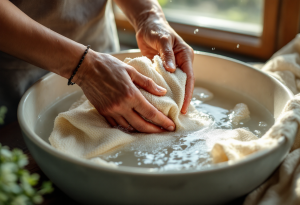
The way you care for your clothes can significantly impact their lifespan. Wash them less often (unless they’re visibly dirty, of course!). Use gentle, eco-friendly detergents. Hang them to dry instead of using a dryer. And learn basic mending skills – a simple needle and thread can work wonders on a ripped seam or a missing button. The longer your clothes last, the less you’ll need to replace them, reducing your environmental footprint.

The Future of Fashion is Circular
Fashion should be a cycle, not a straight line from production to landfill. Embrace the concept of circularity by repairing, reusing, and recycling your clothes. Donate unwanted items to charity, sell them online, or participate in clothing swaps with friends. And when a garment truly reaches the end of its life, explore options for recycling or upcycling it into something new. The possibilities are endless! It’s about being creative and resourceful, and seeing the potential in everything, even the clothes we no longer wear.
So, my darlings, let’s embrace eco-friendly dressing with open arms and a stylish flair. It’s not just a trend; it’s a movement, a commitment to a more sustainable and ethical future for fashion. And who knows, maybe we’ll even inspire a few others along the way. After all, style is about so much more than just what we wear; it’s about who we are and what we stand for. Now, go forth and dress responsibly!
And remember, Sustainable fashion is getting more coverage in Vogue magazine with new articles, videos, and photos about eco-friendly brands and designers fostering change. It’s a trend!
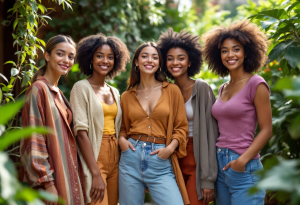
Discover ethically-made, stylish sustainable womenswear. Bozena Jankowska shares her Warsaw-inspired insights on eco-chic fashion that’s both timeless and trendy!
As someone deeply entrenched in the world of fashion, I’ve seen trends come and go, but one thing remains constant: Read more